
Residential VRF Systems
Efficient Heating and Cooling for Modern Homes
Variable Refrigerant Flow VRF Residential VRF systems are becoming a popular choice for homeowners who want precise temperature control, energy savings, and year-round comfort. Originally used primarily in commercial buildings, VRF technology has evolved to meet the needs of modern residences, providing flexible, efficient cooling and heating that can be customized for each room or zone in a home.
Residential VRF systems stand out from traditional heating and air conditioning systems because they use advanced inverter-driven compressors and variable refrigerant flow technology to deliver the exact amount of heating or cooling your home needs at any given time. This approach reduces energy waste, improves comfort, and adapts easily as your home’s Climate demands change.
How VRF Compares to Traditional HVAC Systems
Variable refrigerant flow systems offer a modern alternative to traditional HVAC systems by providing better temperature control, improved efficiency, and flexible system design. Unlike conventional systems that heat or cool the entire home at once, VRF technology adjusts output based on real-time demand, delivering consistent indoor comfort where it’s needed most.
While VRF technology is widely used in systems for commercial businesses, it has become increasingly popular for residential applications, especially in larger homes and custom properties. Many leading manufacturers, including Carrier OptiV systems, have adapted VRF technology to meet residential comfort and efficiency needs.
Homeowners working with experienced HVAC contractors VRF trained professionals can benefit from a system designed to reduce energy use, improve zoning control, and outperform traditional HVAC systems over time.
What Is a Residential VRF System?
A VRF system uses a network of indoor units connected to a single outdoor unit via refrigerant lines. Instead of turning fully on or off like a traditional central HVAC system, VRF systems continuously vary the amount of refrigerant flowing to each indoor unit based on current demand. This means each room or zone can have its own temperature setting, giving homeowners personalized comfort throughout the house. The Department of Energy’s Energy.gov
Unlike ducted systems that move air through large plenum spaces, some residential VRF systems can operate with ductless indoor units — wall-mounted, ceiling-cassette, or floor-mounted — making them versatile for new construction or retrofits.
How Residential VRF Systems Work
Residential VRF systems center around an outdoor unit with a variable-speed compressor. This compressor continuously adjusts refrigerant flow to match the heating or cooling requirements of each indoor unit. Each indoor unit then conditions your home’s air as needed, reducing unnecessary energy use and eliminating hot and cold spots. Daikin Internet
The result is smooth, efficient temperature control with fewer energy swings and more consistent comfort. Instead of cycling on and off — like standard HVAC systems — VRF technology modulates output to meet real-time cooling and heating needs. Daikin Internet
Benefits of Residential VRF Systems
1. Zoned Comfort for Every Room
Unlike traditional systems that cool or heat the whole home at once, residential VRF systems allow you to set different temperatures in each room or zone. This means bedrooms, living spaces, and guest rooms can all stay comfortable according to different preferences.
2. Energy Efficiency and Lower Utility Bills
Because VRF systems constantly adjust refrigerant flow instead of running at full blast, they use only the energy needed to meet the current demand. This typically results in lower energy consumption and lower utility bills compared to conventional HVAC systems.
3. Quiet Operation
Residential VRF systems are known for their quiet indoor and outdoor operation. The inverter-driven compressors and smaller indoor units work at lower noise levels than many traditional systems, making them a great choice for living rooms, bedrooms, and entertainment spaces.
4. Flexible Design Options
VRF systems are highly adaptable. They can accommodate ductless installations in smaller spaces or multi-unit homes, and they can also work with existing ductwork when appropriate. This flexibility makes variable refrigerant flow (VRF) systems ideal for custom homes, renovations, and complex floor plans.
5. Potential for Heat Recovery
Some residential VRF systems include heat recovery options. Heat recovery allows the system to capture heat from one part of the house while cooling another — improving efficiency when your AC demands occur at the same time.
Energy Efficiency Standards & Your VRF System
The U.S. Department of Energy sets minimum energy efficiency standards for residential cooling and heating equipment to ensure that households use less energy and reduce environmental impact. As of 2023, new residential central air conditioners and heat pump systems are required to meet higher Seasonal Energy Efficiency Ratio (SEER) standards in southern climates like Florida and the Southeast. U.S. Energy Information Administration
While VRF systems aren’t explicitly covered by every minimum residential standard, they often exceed standard efficiency requirements, making them a strong choice for homeowners interested in long-term savings and performance.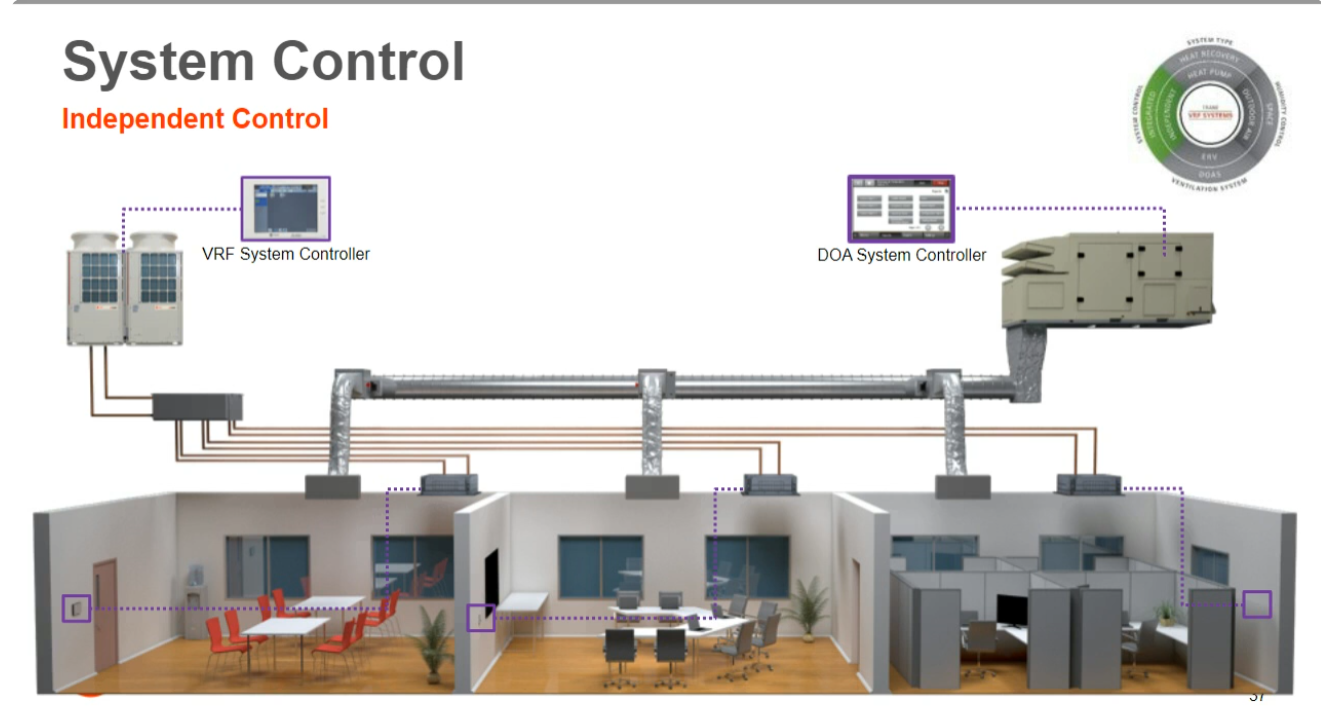
For official information about residential HVAC efficiency programs and ways to improve energy performance in your home, see the EPA’s ENERGY STAR® Heating & Cooling Guide. ENERGY STAR
👉 https://www.energystar.gov/saveathome/heating-cooling ENERGY STAR
Is a Residential VRF System Right for Your Home?
Whether VRF is the right HVAC solution depends on your home’s size, comfort needs, and energy goals. Here are a few situations where VRF systems shine:
-
Homes with multiple comfort zones (e.g., upstairs vs. downstairs differences)
-
Custom or multi-story homes where ductwork may be difficult to install
-
Energy-savvy homeowners focused on reducing utility costs
-
Homes with specific temperature preferences in different rooms
Because VRF systems allow precise zone control and don’t rely on ductwork, they can be more efficient and flexible than traditional HVAC options in many residential applications.
Installation & Professional Service
Installing a residential VRF system requires expertise in load calculations, system design, and refrigerant routing. A professional HVAC contractor experienced in VRF systems will evaluate your home’s design, typical usage patterns, and performance goals before recommending the best configuration.
Proper installation ensures your VRF system operates at peak efficiency and delivers the comfort and savings you expect.
Maintenance and Longevity
Like any HVAC system, a VRF system benefits from regular professional maintenance. Annual inspections, filter changes, and performance checks help keep your system efficient and reliable year-after-year. Routine maintenance can also extend system life and prevent costly repairs in the future.
Conclusion: Comfort Meets Efficiency
Residential VRF systems represent a modern, energy-efficient approach to home comfort. With their zoned temperature control, quiet operation, flexible design options, and potential for significant energy savings, variable refrigerant flow (VRF) systems are an excellent choice for homeowners who want better control and lower energy costs compared to traditional HVAC systems.
If you’re considering an upgrade or new HVAC installation, explore how a VRF system could fit your home’s comfort, efficiency, and budget needs — and talk to an HVAC professional to see if it’s the right choice for you.
VRF Systems Compared to Traditional HVAC Systems
Variable refrigerant flow systems offer a modern, efficient alternative to traditional HVAC systems, especially in buildings that require precise temperature control and flexible zoning. Unlike conventional systems that heat or cool an entire space at once, VRF technology adjusts output based on real-time demand, improving comfort and reducing energy use.
While VRF technology is widely used in systems for commercial applications such as offices, medical facilities, and multi-tenant properties, it has also become a popular solution for larger residential and mixed-use buildings. Leading manufacturers, including Carrier OptiV systems, have expanded VRF options to meet the performance and efficiency needs of modern buildings.
To achieve the best results, variable refrigerant flow systems should be designed and installed by experienced HVAC contractors VRF specialists. Proper system design, installation, and commissioning ensure long-term reliability, efficiency, and comfort.


