by darlene | Sep 1, 2025 | AC installation, Air Conditioners, Air Handlers, Energy Efficiency
Residential VRF Systems
Variable Refrigerant Flow VRF Residential VRF systems are becoming a popular choice for homeowners who want precise temperature control, energy savings, and year-round comfort. Originally used primarily in commercial buildings, VRF technology has evolved to meet the needs of modern residences, providing flexible, efficient cooling and heating that can be customized for each room or zone in a home.
Residential VRF systems stand out from traditional heating and air conditioning systems because they use advanced inverter-driven compressors and variable refrigerant flow technology to deliver the exact amount of heating or cooling your home needs at any given time. This approach reduces energy waste, improves comfort, and adapts easily as your home’s Climate demands change.
How VRF Compares to Traditional HVAC Systems
Variable refrigerant flow systems offer a modern alternative to traditional HVAC systems by providing better temperature control, improved efficiency, and flexible system design. Unlike conventional systems that heat or cool the entire home at once, VRF technology adjusts output based on real-time demand, delivering consistent indoor comfort where it’s needed most.
While VRF technology is widely used in systems for commercial businesses, it has become increasingly popular for residential applications, especially in larger homes and custom properties. Many leading manufacturers, including Carrier OptiV systems, have adapted VRF technology to meet residential comfort and efficiency needs.
Homeowners working with experienced HVAC contractors VRF trained professionals can benefit from a system designed to reduce energy use, improve zoning control, and outperform traditional HVAC systems over time.
What Is a Residential VRF System?
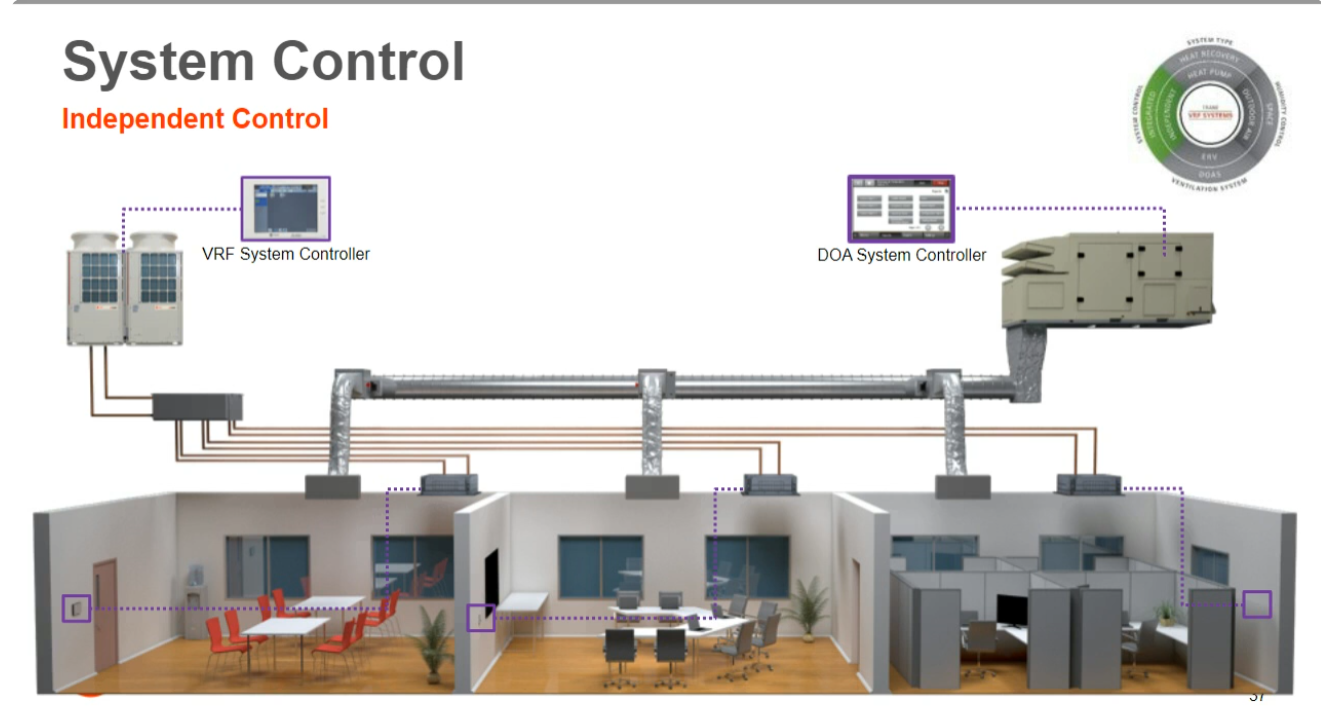
A VRF system uses a network of indoor units connected to a single outdoor unit via refrigerant lines. Instead of turning fully on or off like a traditional central HVAC system, VRF systems continuously vary the amount of refrigerant flowing to each indoor unit based on current demand. This means each room or zone can have its own temperature setting, giving homeowners personalized comfort throughout the house. The Department of Energy’s Energy.gov
Unlike ducted systems that move air through large plenum spaces, some residential VRF systems can operate with ductless indoor units — wall-mounted, ceiling-cassette, or floor-mounted — making them versatile for new construction or retrofits.
How Residential VRF Systems Work
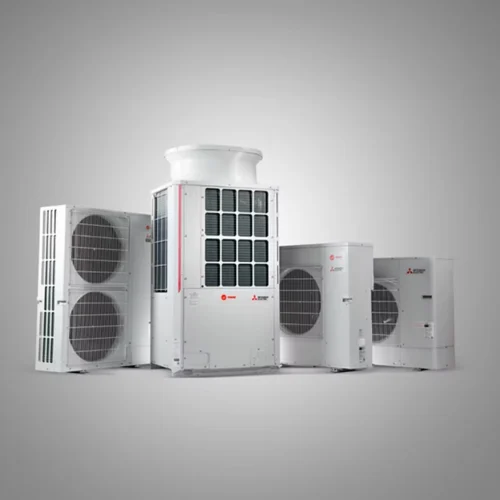
Residential VRF systems center around an outdoor unit with a variable-speed compressor. This compressor continuously adjusts refrigerant flow to match the heating or cooling requirements of each indoor unit. Each indoor unit then conditions your home’s air as needed, reducing unnecessary energy use and eliminating hot and cold spots. Daikin Internet
The result is smooth, efficient temperature control with fewer energy swings and more consistent comfort. Instead of cycling on and off — like standard HVAC systems — VRF technology modulates output to meet real-time cooling and heating needs. Daikin Internet
Benefits of Residential VRF Systems
1. Zoned Comfort for Every Room
Unlike traditional systems that cool or heat the whole home at once, residential VRF systems allow you to set different temperatures in each room or zone. This means bedrooms, living spaces, and guest rooms can all stay comfortable according to different preferences.
2. Energy Efficiency and Lower Utility Bills
Because VRF systems constantly adjust refrigerant flow instead of running at full blast, they use only the energy needed to meet the current demand. This typically results in lower energy consumption and lower utility bills compared to conventional HVAC systems.
3. Quiet Operation
Residential VRF systems are known for their quiet indoor and outdoor operation. The inverter-driven compressors and smaller indoor units work at lower noise levels than many traditional systems, making them a great choice for living rooms, bedrooms, and entertainment spaces.
4. Flexible Design Options
VRF systems are highly adaptable. They can accommodate ductless installations in smaller spaces or multi-unit homes, and they can also work with existing ductwork when appropriate. This flexibility makes variable refrigerant flow (VRF) systems ideal for custom homes, renovations, and complex floor plans.
5. Potential for Heat Recovery
Some residential VRF systems include heat recovery options. Heat recovery allows the system to capture heat from one part of the house while cooling another — improving efficiency when your AC demands occur at the same time.
Energy Efficiency Standards & Your VRF System
The U.S. Department of Energy sets minimum energy efficiency standards for residential cooling and heating equipment to ensure that households use less energy and reduce environmental impact. As of 2023, new residential central air conditioners and heat pump systems are required to meet higher Seasonal Energy Efficiency Ratio (SEER) standards in southern climates like Florida and the Southeast. U.S. Energy Information Administration
While VRF systems aren’t explicitly covered by every minimum residential standard, they often exceed standard efficiency requirements, making them a strong choice for homeowners interested in long-term savings and performance.
For official information about residential HVAC efficiency programs and ways to improve energy performance in your home, see the EPA’s ENERGY STAR® Heating & Cooling Guide. ENERGY STAR
👉 https://www.energystar.gov/saveathome/heating-cooling ENERGY STAR
Is a Residential VRF System Right for Your Home?
Whether VRF is the right HVAC solution depends on your home’s size, comfort needs, and energy goals. Here are a few situations where VRF systems shine:
-
Homes with multiple comfort zones (e.g., upstairs vs. downstairs differences)
-
Custom or multi-story homes where ductwork may be difficult to install
-
Energy-savvy homeowners focused on reducing utility costs
-
Homes with specific temperature preferences in different rooms
Because VRF systems allow precise zone control and don’t rely on ductwork, they can be more efficient and flexible than traditional HVAC options in many residential applications.
Installation & Professional Service
Installing a residential VRF system requires expertise in load calculations, system design, and refrigerant routing. A professional HVAC contractor experienced in VRF systems will evaluate your home’s design, typical usage patterns, and performance goals before recommending the best configuration.
Proper installation ensures your VRF system operates at peak efficiency and delivers the comfort and savings you expect.
Maintenance and Longevity
Like any HVAC system, a VRF system benefits from regular professional maintenance. Annual inspections, filter changes, and performance checks help keep your system efficient and reliable year-after-year. Routine maintenance can also extend system life and prevent costly repairs in the future.
Conclusion: Comfort Meets Efficiency
Residential VRF systems represent a modern, energy-efficient approach to home comfort. With their zoned temperature control, quiet operation, flexible design options, and potential for significant energy savings, variable refrigerant flow (VRF) systems are an excellent choice for homeowners who want better control and lower energy costs compared to traditional HVAC systems.
If you’re considering an upgrade or new HVAC installation, explore how a VRF system could fit your home’s comfort, efficiency, and budget needs — and talk to an HVAC professional to see if it’s the right choice for you.
VRF Systems Compared to Traditional HVAC Systems
Variable refrigerant flow systems offer a modern, efficient alternative to traditional HVAC systems, especially in buildings that require precise temperature control and flexible zoning. Unlike conventional systems that heat or cool an entire space at once, VRF technology adjusts output based on real-time demand, improving comfort and reducing energy use.
While VRF technology is widely used in systems for commercial applications such as offices, medical facilities, and multi-tenant properties, it has also become a popular solution for larger residential and mixed-use buildings. Leading manufacturers, including Carrier OptiV systems, have expanded VRF options to meet the performance and efficiency needs of modern buildings.
To achieve the best results, variable refrigerant flow systems should be designed and installed by experienced HVAC contractors VRF specialists. Proper system design, installation, and commissioning ensure long-term reliability, efficiency, and comfort.

by darlene | Jul 2, 2025 | AC installation, Air Conditioners, Air Handlers, Energy Efficiency
Why Your AC Is Struggling? And What Can You Do About It
Unleash Peak Performance:
Why Your AC Is Struggling? And what can you do about it? By July, South Florida’s heat and humidity are in full swing, and your HVAC system is working harder than ever. But it’s time to take action if it’s still too warm indoors, your cooling bills are rising fast, or the airflow seems weak. In this article, we’ll show you how to unleash the peak performance of your AC unit by identifying mid-summer red flags and boosting cooling power without breaking the bank.
1. Is Your AC Running but Not Cooling?
Learn more about HVAC maintenance from the U.S. Department of Energy
This is one of the most common complaints during July. If your system is blowing air but your home isn’t getting cooler, here’s what could be happening:
- Dirty condenser coils or clogged filters
- Low refrigerant levels
- A failing compressor
- Thermostat calibration issues
🛠 Schedule an expert diagnosis from Atlantis AC to catch minor issues before they become expensive.
2. Watch for Spikes in Your Electric Bill
Unexplained increases in your cooling bill are often a sign of an inefficient system. Causes may include:
- Aging equipment working overtime
- Duct leaks are letting cool air escape
- Thermostat overuse
💡 Book an energy audit or system check to find the source and improve system performance.
3. Weak Airflow? Check These Fast Fixes
Poor airflow doesn’t just affect comfort—it strains your entire system. Before calling a technician, try these quick steps:
- Replace or clean your air filter
- Make sure all vents are open and unblocked
- Check your outdoor unit for debris or overgrowth
If airflow is still weak, it could indicate a blower motor issue, dirty evaporator coils, or ductwork problems.
4. Is Your AC Freezing Up?
Ironically, ice on your AC in July is a bad sign. This usually means:
- Poor airflow
- Refrigerant leaks
- Running the system for too long without breaks
Turn the system off and let it thaw completely. Then call us to inspect your refrigerant and airflow systems.
5. Your System Constantly Turns On and Off
Short-cycling puts severe wear on your unit and makes it hard to maintain a stable temperature. It’s often caused by:
- Incorrect sizing of the AC unit
- Electrical issues
- Clogged filters or frozen coils
A tune-up can resolve many of these issues and prevent compressor failure.
6. Why Your AC Is Struggling? And signs it’s Time to replace, Not Repair
If your AC system is:
- Over 12–15 years old
- Breaking down frequently
- No longer cooling evenly
- Running on outdated refrigerant (like R-22)
…it may be time for a full replacement. Explore high-efficiency upgrade options with us. Newer units cool better, use less energy, and may qualify for rebates.
Bonus Tip: Don’t Forget the Thermostat
Sometimes your AC system isn’t the problem—it’s your thermostat. Dead batteries, improper placement, or outdated models can cause major temperature swings.
🎛 Ask about our smart thermostat installation service to help regulate cooling and reduce energy waste.
Conclusion: Don’t Sweat It—Unleash Performance Now
Mid-summer AC issues are common in Florida, but they don’t have to leave you sweating. Whether it’s a quick filter change, a thermostat upgrade, or a full system evaluation, Atlantis Air Conditioning has your back.
Let us help you unleash your system’s full potential and enjoy powerful, efficient cooling for the rest of the season.
👉 Schedule a mid-summer tune-up today or call (561) 586-1233 to speak with a technician.

by darlene | Apr 3, 2025 | AC installation, Air Handlers, Energy Efficiency
HVAC Choices That Help the Planet (and Your Wallet)
April is Earth Month, HVAC Choices That Help the Planet when millions focus on reducing their carbon footprint and protecting the planet. For South Florida homeowners and rental property managers, it’s also the perfect opportunity to explore eco-friendly HVAC options that don’t just help the environment—they also cut costs.
At Atlantis Air Conditioning, we’re proud to offer sustainable HVAC solutions supporting green living and smart investing. Whether upgrading an aging system or planning an energy-conscious renovation, here’s how your HVAC choices can go green this Earth Month.
Choose Low-GWP Refrigerants
Not all refrigerants are created equal. Older HVAC systems often rely on refrigerants like R-22 (Freon), which contribute significantly to ozone depletion and global warming. Today’s modern systems use low-GWP (Global Warming Potential) refrigerants, like R-410A or R-32, which are both safer for the planet and more efficient.
Why Low-GWP Refrigerants Matter:
- Reduce greenhouse gas emissions
- Improve system energy efficiency
- Comply with evolving environmental regulations
If your system is over 10 years old, upgrading to an environmentally responsible refrigerant may be time. Our technicians can assess your system and recommend the best course of action.
Schedule a Professional Energy Audit
The first step in going green is knowing where your home or building wastes energy. An HVAC energy audit helps identify inefficiencies in your system, ductwork, insulation, and controls.
Our Energy Audits Include:
- Inspection of HVAC units and air handlers
- Duct leakage testing and airflow analysis
- Review of thermostat settings and usage patterns
Based on your results, our experts can create a customized plan to increase energy efficiency while lowering environmental impact.
Bonus Tips for Sustainable Cooling
Even small changes can make a big difference. In honor of Earth Month, try these eco-friendly practices:
- Change your air filter monthly for better airflow
- Use ceiling fans to supplement cooling
- Set thermostats to 78°F when home, higher when away
- Seal windows and doors to prevent incredible air loss
Want even more green tips? Download our free guide: “Top 10 Eco-Friendly HVAC Upgrades,” available soon on AtlantisAC.com.
A Message to Property Managers
Sustainable HVAC upgrades aren’t just great for the environment and reduce long-term operating costs and attract eco-minded tenants. Plus, they may qualify your property for green certifications and local tax incentives.
For rental properties and multi-unit housing, implementing green upgrades like duct sealing, smart thermostats, and high-efficiency units can lead to:
Ask us about bulk upgrade discounts or energy-efficiency retrofits for your apartment complex, duplexes, or commercial properties.
Why Eco-Friendly HVAC Is the Future
Eco-friendly HVAC is no longer just a trend—it’s the future of heating and cooling. From global regulatory shifts to increasing energy costs, sustainable choices now give homeowners and landlords a real edge.
Florida’s climate already demands heavy air conditioning use. By shifting to energy-efficient models and more intelligent control systems, you can significantly reduce your carbon footprint while saving on bills year-round.
🌍 Conclusion: Invest in a Greener Future
Let Earth Month be your reason to rethink how your HVAC system affects the planet and your budget this April. With low-GWP refrigerants, energy audits, and simple eco-friendly adjustments, you can make meaningful changes that deliver long-term results.
At Atlantis AC, we’re committed to offering innovative, sustainable solutions for every home and building we serve. Whether upgrading one system or modernizing an entire property, we’re here to help you do it responsibly.
👉 Visit AtlantisAC.com or call (561) 586-1233 to schedule your Earth Month energy audit or start your next eco-friendly HVAC upgrade.

by darlene | Sep 11, 2024 | Air Conditioners, Air Handlers, Air Quality, General HVAC
How Heavy Rains Can Impact Your Air Conditioning Unit
Rain and the effect on Your AC System Rain is often seen as a blessing, but excessive amounts can lead to serious issues, mainly when flooding occurs. Hurricanes, flash floods, and severe storms can unleash significant rainfall, resulting in water levels exceeding a foot or more, causing extensive damage to homes and businesses. So, how do heavy rains affect your air conditioning (AC) unit?
Understanding the Effects of Rain on Your AC System
Resilient AC Units
Rain affects your air conditioner. Modern air conditioning units are built to endure various weather conditions, including rain, snow, and hail. The outdoor components protect the internal machinery from precipitation, ensuring performance remains stable even during inclement weather. Electrical parts are sealed, and connections are made resistant to moisture. The compressor and condenser units, typically made from durable materials like aluminum and copper, are engineered to withstand heavy rainfall while effectively cooling and dehumidifying your home. However, heavy rains can lead to other complications:
Potential Storm Damage
Severe rain accompanied by strong winds can send debris flying, damaging the condenser fan grille or allowing leaves, twigs, dirt, and other materials to enter your AC system. After a storm, it’s wise to scrutinize your outdoor unit for any signs of damage or debris accumulation.
Risk of Flooding your Air Conditioning System
Localized flooding can pose a significant threat to your air conditioning system. Water levels exceeding 15 inches could compromise moving parts and electrical components. In severe flooding, it is crucial to have your unit professionally inspected before restarting it. Installing your outdoor AC unit in a flood-safe area is essential. Additionally, ductwork and venting under pier and beam structures must be safeguarded against floodwaters to ensure safe operation and the health of your household.
Corrosion Concerns
Internal corrosion may develop if your system isn’t properly covered during the off-season. If you cover your AC unit, use a commercially available cover with ventilation holes. Avoid using plastic wrap or garbage bags, as they can trap moisture and condensation inside, leading to the deterioration of wires and rubber and rusting metal components. Inadequate ventilation can also encourage the growth of mold and mildew, creating a welcoming environment for pests and vermin.
Reach Out to Atlantis Air Conditioning
At Atlantis Air Conditioning, we understand the challenges of heavy rains and other weather conditions. Our team is here to help you with residential or commercial seasonal AC maintenance. Don’t hesitate to contact us today for a thorough inspection and to ensure your system is ready to perform optimally, no matter the weather.

by darlene | Jan 8, 2024 | AC installation, Air Handlers, Energy Efficiency

by James Ballard | Dec 2, 2022 | Air Conditioners, Air Handlers, General HVAC, Home Maintenance
Why is There a Burning Smell of Plastic in your Home?
If you see a burning fire in your outlet, stop reading this, call 911 or the Fire Department, and, evacuate your home. This, of course, is a more serious issue. If you haven’t turned on your heat recently, number two can probably be eliminated.
6 reasons your AC smells like it’s burning and what to do next.
Assuming there’s no fire in your home. If your AC unit is in cooling mode, and you smell burning from your AC, shut it off immediately. Running your ac unit while something is wrong will create bigger, more expensive issues for you. You’ll need to call Atlantis AC your experienced AC repairman. In the meantime, here are some reasons your unit could be overheating. Overheating Motor In
Your AC Unit Smells Like It’s Burning & What to Do Next
Here are six potential reasons your air conditioning system is emitting a burning smell from your AC and what you can do about it. How Should Normal Furnaces Smell? During the year as your furnace, smells, like the burning smell of plastic, and what they mean …
#1. Dust Is Burning Off Did you just turn on your heater, furnace, or heat pump for the first time in a while, and now you notice a burning smell? After months of little to no use (especially in Florida!), the inside of your HVAC system will collect dust. When you turn on your heating system, the dust burns off and releases a slight burning odor. The burning smell is coming from your ac unit.
Solution: Don’t worry. This smell is harmless and should go away within a few minutes. This furnace system is free from dust, hair, pet dander, and other airborne contaminants. This is the most common reason why air conditioning systems emit a burning odor. However, if you have a burning smell from the AC unit, sometimes the build-up of dust on your heating components means that when the heat is turned back on, the dust burns off. The smell should quickly dissipate. If it persists, you may have one of the other problems on this list. What to do to fix the problem: Get your HVAC system professionally checked and cleaned.
#2. The air filter is clogged
The Air Filter is Clogged This might be causing the problem if: You haven’t changed your air filters in more than two months. Air filters are put in place to catch the dirt and debris that come into your HVAC system and to prevent them from circling back smell coming from their AC Heater or furnace the first time they turn it on for the season, but what do you do when your heater smells like that all the time?
If you think your air filter is clogged, these contaminants can get sucked into the blower and cause it to overheat. This can also lead to dirt and dust reaching the heat exchanger and heating up. Both of these will cause a burning smell and can be mostly avoided by changing your filter regularly. If the air filtration system doesn’t work properly, the air filter is likely clogged. If the air filter is stuck down by excess debris, air circulation is restricted, causing excessive pressure and vibration in air conditioning equipment and motors. This can cause an unpleasant smell in some places.
While some furnace smells are completely normal, the burning smell of something plastic, electrical odors, or burning dust may signal deeper issues with your HVAC system. Find out what could be causing the smell of burning when you turn on your furnace by using this guide. Remember, here at Atlantis AC, our team of factory-trained-certified professionals is always here to help.
Solution: Check for clogging of filters before replacing them – if needed – with an updated one if possible. Make the filter changes once a year as necessary. This is an essential component of air conditioner service you can do yourself for the most efficient efficiency of your AC unit!
Dirty Ductwork Debris Burning As the weather changes, pine needles fall, the wind blows grass cuttings and other debris around, and dust and dirt settle on surfaces and in crevasses. Sometimes if you smell something burning in your vents, it capacitor.
#3 The capacitor is broken
All air conditioning systems use capacitors to power the motor. The capacitor fails to operate when overheated, giving off an overwhelming burning smell. Capacitors break in varying situations — overheating circuitry and electrical power surges and general wear.
All air conditioning systems use capacitors to power the motor. The capacitor fails to operate when overheated, giving off an overwhelming burning smell. Capacitors break in varying situations — overheating circuitry and electrical power surges and general wear.
Solution:: This will usually require the replacement of the capacitor. Please disable the air-conditioned unit and consult with an Atlantis AC technician about this. The capacitor is broken.
 What does an overheating AC compressor smell like?
The compressor and AC motor may produce smoke or an overheated odor. Why does my AC smell like burning?
Overheating Motors On the inside of your AC system there are fans that move the air throughout your home. The bearings in the fan may fall apart and cause overheating of the motor driving it. It will make your throat burn.
Why Does My House Smell of Burning Plastic?
If your house smells like a burning plastic, take caution. The smell of burning plastic could be a sign of an overheated household appliance, a kitchen accident, or a problem with the HVAC system. Heaters and furnaces may smell burnt plastic when their parts are broken or worn out.
Parts that may need to be replaced include The capacitor Plastic-coated wires (that may have caused an electrical fault) The fan belt These issues should be addressed in a timely manner to prevent further problems.
#4 – The belt-driven motor is overheating
This might be causing the problem if The burning smell from the Athe C unit smells like burning rubber. Some AC units have belt drives that power their blowers, and over time, the rubber belt drives can become worn down or even begin to melt. If the burning smell from the Athe C unit smells rubbery, it’s likely time to replace your belt. What to do to fix the problem: Replace the rubber bands in your belt drive blower.
Certain HVAC systems feature an air-conditioner that can be driven using belts instead of direct drive. These products have rubber straps and may eventually wear out and produce burn-out smells.
Solution: It will require replacement in the future so if the burns smell rubbery it’s likely it’s time for a replacement.
#5 The motor is overheating
The same is true for capacitors – defective motors emit flammable smells and also burn out. With time the bearings on the motors wear out causing the engine to overheat.
Whenever you smell the burning smell, you must stop the air conditioner immediately. It will hopefully reduce power loss and help avoid replacement motors.
Why does my heater smell like something is burning?
Many older appliances overheat and make some parts corrode. The wiring of your home is another source of an odor, but it’s not always possible.
If your Air Conditioning system or heater or furnace smells like burning rubber or burning plastic?
Why does my house smell like burning plastic?
If you notice a burning plastic smell or odor that smells like burning plastic or burning rubber your furnace could have a more serious problem. It’s possible that a foreign object like a child’s dropped toy, or an unnoticed spill could be in your HVAC system‘s ductwork.
Turn off your furnace or AC unit and remove your AC registers or grilles so you can clean or remove any objects that don’t belong. Sometimes a burning plastic smell can be a sign of an electrical failure. Malfunctions in the heater can cause the plastic wire casings to fail and meltdown. The melting of the system is emitting a burning smell and what you can do about it. Professionals will be able to figure out what the issue is. Call Atlantis air conditioning professional in West Palm Beach, FL. If your air conditioning system is giving off a burning smell, don’t panic.
#6 – What to do if you encounter the smell of burning plastic?
The Electrical Components Are Broken This might be causing the problem if The burning smell from the AC unit is plastic or has a tinge of sulfur.
What does electrical burning smell like? The electrical fire was first very acrid with a smell. A short might be found in outlets or wiring within walls but can be hard to find. Burning smells or burning plastic smell odors in the air may be indicators of electrical failure.
How do I fix a burning smell in my Air Conditioner?
An overheating motor may produce smoldering noise on AC units because the bearing wears down over time. Most likely you need to lubricate your bearings.
Burning smell you may be encountering. Electrical Problems It’s also possible that there are other electrical problems in your unit causing other components to overheat. A trained professional will be able to figure out what the issue is. Call the air conditioning experts in West Palm Beach, Fl Atlantis Air Conditioning Technician. If your air conditioning system is giving off a burning smell, don’t panic. The professionals at Atlantis AC specialize in dissecting and determining what the issues are in your air conditioner and fixing them.
We are happy to come out to your home or business and inspect your AC unit, keep you cool and get your system back if the capacitor falters, or the motor can overheat and give off a burning smell. Capacitors break for lots of reasons, from overheated circuitry or power surges to general wear and tear. Solution: In these cases, you will almost always need to replace the capacitor. We recommend turning off your air conditioning system and calling a professional for this one. Does your AC unit have a Burning Smell Like Burning? Atlantis AC Can Help sort out the problem.
The professionals at Atlantis AC specialize in dissecting and determining what the issues are in your air conditioner and fixing them. We are happy to come out to your home or business and inspect your AC unit, keep you cool and get your system back up and running efficiently. To learn more, call Atlantis AC today at (561) 586-1233.