by darlene | Oct 7, 2025 | AC installation, Air Conditioners, General HVAC
AC Replacement Boca Raton: What to Know Before Replacing Your HVAC System
AC Replacement Boca Raton Florida: What to Know Before Replacing Your HVAC System If your air conditioning is no longer keeping up with the South Florida heat, you may be considering an AC replacement in Boca Raton. Both homeowners and business owners face this decision when systems begin to lose efficiency, struggle with humidity, or require frequent repairs.
Replacing your residential or commercial HVAC system before it completely fails can help you avoid unexpected breakdowns, uncomfortable indoor conditions, and disruptions to your daily routine or business operations.
When to Replace Your Residential or Commercial HVAC System in Florida
In South Florida, HVAC systems work harder than in most parts of the country. Knowing when to replace your system can help you stay ahead of costly issues.
Lots of AC Repair Boca Raton when should I replace, These are some common signs include:
- Your HVAC system is 10 to 15 years old
- It struggles to keep up with heat and humidity
- You are scheduling repairs more often
- Your home or business has uneven temperatures
- Energy usage continues to rise
 Most air conditioners use 0.48 to 5.14 kWh per hour, depending on the size and efficiency of the system. Newer inverter and high-efficiency units can reduce energy use and lower your electric bill.
If you are noticing these issues, it may be time to consider air conditioning replacement in Boca Raton.
Why AC Replacement in South Florida Requires the Right Approach
South Florida’s climate places constant demand on HVAC systems. High humidity, long cooling seasons, and larger living or commercial spaces all require systems that are properly designed and installed. AC replacement in South Florida is not just about swapping out equipment. It is about choosing a system that is built to perform in this environment and support long-term comfort.
Choosing the Right HVAC System for Your Property
When planning an AC system replacement in Boca Raton, selecting the right residential or commercial HVAC system is critical. Key considerations include proper system sizing, energy efficiency, humidity control, and installation quality. A system that is too large or too small can lead to performance issues, higher energy use, and reduced comfort. Working with an experienced HVAC company ensures your system is matched correctly to your space and usage.
Benefits of Upgrading Your HVAC System
Installing a new HVAC system in Florida can improve your indoor environment in several ways. Many property owners notice more consistent temperatures, improved airflow, and better humidity control after upgrading. Newer systems are designed to operate more efficiently and handle the demands of South Florida’s climate, making them a strong long-term solution for both residential and commercial properties.
Repair or Replace Your HVAC System
If your system is still running, it is common to question whether repair is the better option. In many cases, systems that require frequent service or no longer perform efficiently are better candidates for replacement. Upgrading your system can reduce ongoing service issues and provide more reliable comfort, especially during peak summer months.
Professional HVAC Installation Matters
The performance of your new system depends heavily on how it is installed. Even high-quality equipment will not perform properly without correct sizing and installation. Choosing a qualified HVAC contractor ensures your AC installation Boca Raton is completed correctly, supporting long-term efficiency and reliability.
Serving Boca Raton and Palm Beach County
Atlantis AC has been serving homeowners and businesses throughout Palm Beach County since 1984. Our team understands the demands of South Florida and provides solutions designed for both residential and commercial HVAC systems.
HVAC services Boca Raton
Whether you need repairs, maintenance, or a full system upgrade, having access to reliable HVAC services Boca Raton is essential for maintaining comfort in South Florida. A professional evaluation can help determine the condition of your current system and guide you toward the best solution for your residential or commercial property.
AC repair West Palm Beach
If your system is still running but not performing as it should, it may not need to be replaced right away. In many cases, professional AC repair West Palm Beach services can restore performance and extend the life of your current HVAC system. Addressing issues early can help prevent larger problems and keep your home or business comfortable while you decide on the next step.
HVAC Frequently asked Questions SECTION
How quickly can you respond to an AC repair in West Palm Beach?
We provide fast, reliable AC repair service throughout West Palm Beach and surrounding areas. In many cases, we offer same-day or next-day service to restore comfort to your home or business as quickly as possible.
Do you service both residential and large homes in Palm Beach?
Yes. We specialize in servicing a wide range of homes, including large residences and estate properties throughout Palm Beach and surrounding communities. Our technicians are experienced working in high-end homes with care and professionalism.
How do I know if I should repair or replace my AC system?
If your system is over 10–15 years old, requires frequent repairs, or is no longer cooling efficiently, it may be more cost-effective to replace it. We provide honest recommendations based on your system’s condition and your long-term savings.
How often should I have my AC serviced in South Florida?
Due to the year-round heat and humidity, we recommend servicing your AC system at least twice per year. Regular maintenance helps prevent breakdowns, improves efficiency, and extends the life of your system.
Do you provide AC installation and replacement?
Yes. We install and replace energy-efficient air conditioning systems for homes and businesses throughout West Palm Beach and Palm Beach. We’ll help you choose the right system for your space and cooling needs.
What brands of air conditioners do you work with?
We service and install all major brands, including Trane and other leading HVAC manufacturers. Our technicians are trained to diagnose and repair a wide range of systems.
Are you licensed and insured?
Yes. Atlantis Air Conditioning is fully licensed and insured, providing peace of mind for homeowners and property managers throughout South Florida.
Do you offer maintenance plans?
Yes. We offer maintenance services designed to keep your system running efficiently year-round. Regular maintenance helps prevent unexpected breakdowns and reduces long-term repair costs.
How much does AC repair cost?
The cost of AC repair depends on the issue, system type, and parts required. We provide clear, upfront pricing after diagnosing the problem so you can make an informed decision.
Do you work with property managers and estate staff?
Yes. We regularly work with property managers, estate staff, and homeowners to provide reliable, professional HVAC service. We understand the importance of communication, scheduling, and discretion.
Schedule Your HVAC Evaluation
Every property is different, and the best way to determine the right solution is through a professional evaluation.
Call Atlantis AC at (561) 586-1233 or request service online to schedule your appointment. We are your Boca Raton air conditioning company and will help you determine whether AC replacement in Boca Raton is the right step and guide you toward the best solution for your home or business.
by darlene | Sep 1, 2025 | AC installation, Air Conditioners, Air Handlers, Energy Efficiency
Residential VRF Systems
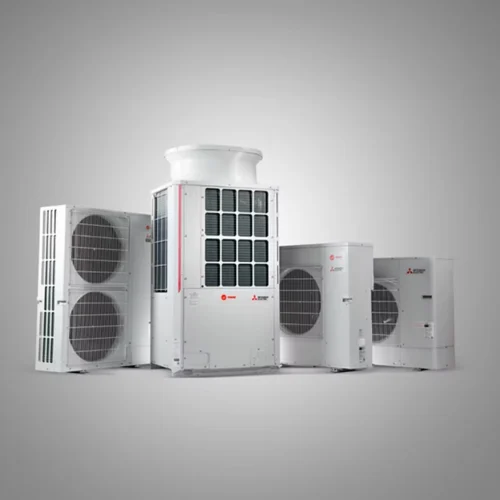
Variable Refrigerant Flow VRF Residential VRF systems are becoming a popular choice for homeowners who want precise temperature control, energy savings, and year-round comfort. Originally used primarily in commercial buildings, VRF technology has evolved to meet the needs of modern residences, providing flexible, efficient cooling and heating that can be customized for each room or zone in a home.
Residential VRF systems stand out from traditional heating and air conditioning systems because they use advanced inverter-driven compressors and variable refrigerant flow technology to deliver the exact amount of heating or cooling your home needs at any given time. This approach reduces energy waste, improves comfort, and adapts easily as your home’s Climate demands change.
How VRF Compares to Traditional HVAC Systems
Variable refrigerant flow systems offer a modern alternative to traditional HVAC systems by providing better temperature control, improved efficiency, and flexible system design. Unlike conventional systems that heat or cool the entire home at once, VRF technology adjusts output based on real-time demand, delivering consistent indoor comfort where it’s needed most.
While VRF technology is widely used in systems for commercial businesses, it has become increasingly popular for residential applications, especially in larger homes and custom properties. Many leading manufacturers, including Carrier OptiV systems, have adapted VRF technology to meet residential comfort and efficiency needs.
Homeowners working with experienced HVAC contractors VRF trained professionals can benefit from a system designed to reduce energy use, improve zoning control, and outperform traditional HVAC systems over time.
What Is a Residential VRF System?
A VRF system uses a network of indoor units connected to a single outdoor unit via refrigerant lines. Instead of turning fully on or off like a traditional central HVAC system, VRF systems continuously vary the amount of refrigerant flowing to each indoor unit based on current demand. This means each room or zone can have its own temperature setting, giving homeowners personalized comfort throughout the house. The Department of Energy’s Energy.gov
Unlike ducted systems that move air through large plenum spaces, some residential VRF systems can operate with ductless indoor units — wall-mounted, ceiling-cassette, or floor-mounted — making them versatile for new construction or retrofits.
How Residential VRF Systems Work
Residential VRF systems center around an outdoor unit with a variable-speed compressor. This compressor continuously adjusts refrigerant flow to match the heating or cooling requirements of each indoor unit. Each indoor unit then conditions your home’s air as needed, reducing unnecessary energy use and eliminating hot and cold spots. Daikin Internet
The result is smooth, efficient temperature control with fewer energy swings and more consistent comfort. Instead of cycling on and off — like standard HVAC systems — VRF technology modulates output to meet real-time cooling and heating needs. Daikin Internet
Benefits of Residential VRF Systems
1. Zoned Comfort for Every Room
Unlike traditional systems that cool or heat the whole home at once, residential VRF systems allow you to set different temperatures in each room or zone. This means bedrooms, living spaces, and guest rooms can all stay comfortable according to different preferences.
2. Energy Efficiency and Lower Utility Bills
Because VRF systems constantly adjust refrigerant flow instead of running at full blast, they use only the energy needed to meet the current demand. This typically results in lower energy consumption and lower utility bills compared to conventional HVAC systems.
3. Quiet Operation
Residential VRF systems are known for their quiet indoor and outdoor operation. The inverter-driven compressors and smaller indoor units work at lower noise levels than many traditional systems, making them a great choice for living rooms, bedrooms, and entertainment spaces.
4. Flexible Design Options
VRF systems are highly adaptable. They can accommodate ductless installations in smaller spaces or multi-unit homes, and they can also work with existing ductwork when appropriate. This flexibility makes variable refrigerant flow (VRF) systems ideal for custom homes, renovations, and complex floor plans.
5. Potential for Heat Recovery
Some residential VRF systems include heat recovery options. Heat recovery allows the system to capture heat from one part of the house while cooling another — improving efficiency when your AC demands occur at the same time.
Energy Efficiency Standards & Your VRF System
The U.S. Department of Energy sets minimum energy efficiency standards for residential cooling and heating equipment to ensure that households use less energy and reduce environmental impact. As of 2023, new residential central air conditioners and heat pump systems are required to meet higher Seasonal Energy Efficiency Ratio (SEER) standards in southern climates like Florida and the Southeast. U.S. Energy Information Administration
While VRF systems aren’t explicitly covered by every minimum residential standard, they often exceed standard efficiency requirements, making them a strong choice for homeowners interested in long-term savings and performance.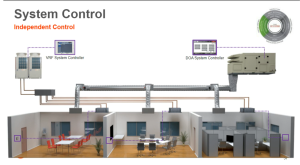
For official information about residential HVAC efficiency programs and ways to improve energy performance in your home, see the EPA’s ENERGY STAR® Heating & Cooling Guide. ENERGY STAR
👉 https://www.energystar.gov/saveathome/heating-cooling ENERGY STAR
Is a Residential VRF System Right for Your Home?
Whether VRF is the right HVAC solution depends on your home’s size, comfort needs, and energy goals. Here are a few situations where VRF systems shine:
-
Homes with multiple comfort zones (e.g., upstairs vs. downstairs differences)
-
Custom or multi-story homes where ductwork may be difficult to install
-
Energy-savvy homeowners focused on reducing utility costs
-
Homes with specific temperature preferences in different rooms
Because VRF systems allow precise zone control and don’t rely on ductwork, they can be more efficient and flexible than traditional HVAC options in many residential applications.
Installation & Professional Service
Installing a residential VRF system requires expertise in load calculations, system design, and refrigerant routing. A professional HVAC contractor experienced in VRF systems will evaluate your home’s design, typical usage patterns, and performance goals before recommending the best configuration.
Proper installation ensures your VRF system operates at peak efficiency and delivers the comfort and savings you expect.
Maintenance and Longevity
Like any HVAC system, a VRF system benefits from regular professional maintenance. Annual inspections, filter changes, and performance checks help keep your system efficient and reliable year-after-year. Routine maintenance can also extend system life and prevent costly repairs in the future.
Conclusion: Comfort Meets Efficiency
Residential VRF systems represent a modern, energy-efficient approach to home comfort. With their zoned temperature control, quiet operation, flexible design options, and potential for significant energy savings, variable refrigerant flow (VRF) systems are an excellent choice for homeowners who want better control and lower energy costs compared to traditional HVAC systems.
If you’re considering an upgrade or new HVAC installation, explore how a VRF system could fit your home’s comfort, efficiency, and budget needs — and talk to an HVAC professional to see if it’s the right choice for you.
VRF Systems Compared to Traditional HVAC Systems
Variable refrigerant flow systems offer a modern, efficient alternative to traditional HVAC systems, especially in buildings that require precise temperature control and flexible zoning. Unlike conventional systems that heat or cool an entire space at once, VRF technology adjusts output based on real-time demand, improving comfort and reducing energy use.
While VRF technology is widely used in systems for commercial applications such as offices, medical facilities, and multi-tenant properties, it has also become a popular solution for larger residential and mixed-use buildings. Leading manufacturers, including Carrier OptiV systems, have expanded VRF options to meet the performance and efficiency needs of modern buildings.
To achieve the best results, variable refrigerant flow systems should be designed and installed by experienced HVAC contractors VRF specialists. Proper system design, installation, and commissioning ensure long-term reliability, efficiency, and comfort.

by darlene | Jul 2, 2025 | AC installation, Air Conditioners, Air Handlers, Energy Efficiency
Why Your AC Is Struggling? And What Can You Do About It
Unleash Peak Performance:
Why Your AC Is Struggling? And what can you do about it? By July, South Florida’s heat and humidity are in full swing, and your HVAC system is working harder than ever. But it’s time to take action if it’s still too warm indoors, your cooling bills are rising fast, or the airflow seems weak. In this article, we’ll show you how to unleash the peak performance of your AC unit by identifying mid-summer red flags and boosting cooling power without breaking the bank.
1. Is Your AC Running but Not Cooling?
Learn more about HVAC maintenance from the U.S. Department of Energy
This is one of the most common complaints during July. If your system is blowing air but your home isn’t getting cooler, here’s what could be happening:
- Dirty condenser coils or clogged filters
- Low refrigerant levels
- A failing compressor
- Thermostat calibration issues
🛠 Schedule an expert diagnosis from Atlantis AC to catch minor issues before they become expensive.
2. Watch for Spikes in Your Electric Bill
Unexplained increases in your cooling bill are often a sign of an inefficient system. Causes may include:
- Aging equipment working overtime
- Duct leaks are letting cool air escape
- Thermostat overuse
💡 Book an energy audit or system check to find the source and improve system performance.
3. Weak Airflow? Check These Fast Fixes
Poor airflow doesn’t just affect comfort—it strains your entire system. Before calling a technician, try these quick steps:
- Replace or clean your air filter
- Make sure all vents are open and unblocked
- Check your outdoor unit for debris or overgrowth
If airflow is still weak, it could indicate a blower motor issue, dirty evaporator coils, or ductwork problems.
4. Is Your AC Freezing Up?
Ironically, ice on your AC in July is a bad sign. This usually means:
- Poor airflow
- Refrigerant leaks
- Running the system for too long without breaks
Turn the system off and let it thaw completely. Then call us to inspect your refrigerant and airflow systems.
5. Your System Constantly Turns On and Off
Short-cycling puts severe wear on your unit and makes it hard to maintain a stable temperature. It’s often caused by:
- Incorrect sizing of the AC unit
- Electrical issues
- Clogged filters or frozen coils
A tune-up can resolve many of these issues and prevent compressor failure.
6. Why Your AC Is Struggling? And signs it’s Time to replace, Not Repair
If your AC system is:
- Over 12–15 years old
- Breaking down frequently
- No longer cooling evenly
- Running on outdated refrigerant (like R-22)
…it may be time for a full replacement. Explore high-efficiency upgrade options with us. Newer units cool better, use less energy, and may qualify for rebates.
Bonus Tip: Don’t Forget the Thermostat
Sometimes your AC system isn’t the problem—it’s your thermostat. Dead batteries, improper placement, or outdated models can cause major temperature swings.
🎛 Ask about our smart thermostat installation service to help regulate cooling and reduce energy waste.
Conclusion: Don’t Sweat It—Unleash Performance Now
Mid-summer AC issues are common in Florida, but they don’t have to leave you sweating. Whether it’s a quick filter change, a thermostat upgrade, or a full system evaluation, Atlantis Air Conditioning has your back.
Let us help you unleash your system’s full potential and enjoy powerful, efficient cooling for the rest of the season.
👉 Schedule a mid-summer tune-up today or call (561) 586-1233 to speak with a technician.

by darlene | Jun 1, 2025 | AC installation, Air Conditioners, Air Quality, Energy Efficiency
Fortify Your Comfort: Summer Efficiency Boost to Cut Cooling Costs in South Florida.
AC Cooling Costs go up, as temperatures climb in South Florida, air conditioning systems work overtime—driving up energy bills for homeowners and renters alike. But what if you could stay cool while spending less? The good news is, you can.
How to Cut AC Cooling Costs in South Florida. In this post, we’ll share practical, proven ways to reduce cooling costs, increase your summer AC efficiency, and help you save money on HVAC expenses during Florida’s hottest months.
1. Schedule Preventive HVAC Maintenance
Learn more about HVAC maintenance from the U.S. Department of Energy
Your HVAC system is like a car—it needs regular tune-ups to run at peak performance. Before summer hits full swing, schedule a maintenance check with a licensed professional.
What to Expect:
- Cleaning condenser coils
- Inspecting refrigerant levels
- Tightening electrical connections
- Checking and calibrating the thermostat
A well-maintained system can operate up to 20% more efficiently and avoid breakdowns during heat waves.
2. Change Air Filters Regularly
Explore our air filtration services
Dirty air filters restrict airflow and make your system work harder, which increases energy usage and wear on parts. In South Florida’s humid climate, we recommend checking filters monthly and replacing them at least every 60 days during the summer.
Pro Tip: Use high-quality pleated filters for better indoor air quality and performance.
3. Optimize Thermostat Settings
ENERGY STAR: Smart Thermostat Recommendations
Ask about smart thermostat installation
Should I leave my air conditioner on all day? Smart thermostats are among the best tools for cutting air conditioning costs. To cut costs this summer, program your thermostat to higher settings while you’re away and lower the AC system before you return, which will help lower cooling costs.
Best Practices:
- Set to 78°F when home
- Raise to 82–85°F when away
- Use scheduling in Smart Thermostat
Atlantis AC can help install and configure smart thermostats for optimal energy savings and comfort.
4. Seal Leaks and Improve Insulation
Schedule an energy audit or insulation check
Cool air escapes through leaks in windows, doors, and poorly insulated walls. Weather-stripping, caulking, and insulation upgrades are affordable ways to improve comfort and reduce strain on your HVAC system.
Check These Areas:
- Attic and crawl space insulation
- Window seals and door thresholds
- Leaky ductwork in older homes
5. Use Ceiling Fans Wisely
Energy.gov: How to Use Ceiling Fans Efficiently
Ceiling fans don’t actually lower the room’s temperature, but they make you feel cooler. Fans can raise your thermostat 4 degrees without sacrificing comfort by creating a wind-chill effect.
Tip: Make sure fans rotate counterclockwise in summer for optimal airflow.
6. Avoid Heat Build-Up Indoors
Reduce internal heat gain by limiting the use of appliances that generate heat during the day, such as ovens, dryers, and dishwashers. Opt for:
- Grilling outside
- Using a microwave or an air fryer
- Running large appliances at night
Also, close blinds or use blackout curtains to block solar heat.
Conclusion: Smart Habits = Lower Bills
How to Cut AC Cooling Costs in South Florida? Keeping your home cool in the Florida summer doesn’t have to come with sky-high bills. By following these HVAC efficiency tips—from routine maintenance and filter changes to smart thermostat settings—you can enjoy comfort and savings all season long.
Atlantis AC is here to help South Florida homeowners and renters maximize their AC systems’ performance. Call us today to book your summer tune-up or get help upgrading to a smarter, more efficient setup.
👉 Visit AtlantisAC.com or call (561) 586-1233 to start saving on your cooling costs today!

by darlene | May 5, 2025 | AC installation, Air Conditioners, General HVAC
How to Protect Your AC System During Hurricane Season: Storm-Ready Cooling
As hurricane season approaches, homeowners and property managers across Florida face a familiar concern: protecting their air conditioning systems from damage. Your HVAC system is not just essential for comfort—it’s critical for safety during Florida’s intense heat. Storm-ready cooling should be a top priority as we move toward the June 1 start of hurricane season.
How to Protect Your AC System
This guide will cover the most effective ways to prepare your AC system for storms, from surge protection to emergency service planning. At Atlantis Air Conditioning, we’ve seen firsthand how a little preparation can save thousands in repair or replacement costs and keep families and tenants cool, even when the power goes out.
Secure the Outdoor AC Unit
Your outdoor condenser unit is particularly vulnerable during high winds and flying debris. An unsecured unit can become a significant safety hazard and be severely damaged.
Tips to Protect Your AC Unit:
- Use hurricane-rated straps or brackets to anchor the unit to its base
- Clear surrounding debris like loose limbs or lawn furniture
- Trim nearby trees and shrubs that could fall or blow into the unit
Investing in a custom hurricane cage for your condenser adds an extra layer of protection that insurance companies often reward with discounts.
2. Install Surge Protection
Hurricanes bring lightning, which can fry your HVAC system in a flash. A whole-home surge protector installed at your electrical panel can safeguard your air conditioner’s electronics and prevent costly damage.
Why Surge Protectors Matter:
- Prevent power surges from damaging control boards, capacitors, and motors
- Help extend the lifespan of your entire HVAC system
- Often required for warranty protection on newer units
Talk to your HVAC technician or electrician about adding a dedicated HVAC surge protector for an extra layer of storm security.
3. Plan for Emergency Service
It’s common for HVAC service lines to be overwhelmed right after a storm. A pre-arranged emergency service plan ensures your system is prioritized for inspection and repair.
Benefits of an Emergency HVAC Plan:
- Early access to repairs when technicians are in high demand
- Peace of mind knowing who to call
- Priority scheduling for vulnerable family members or tenants
At Atlantis AC, we offer service agreements that include priority scheduling, emergency support, and seasonal inspections—all designed to give you one less thing to worry about during hurricane season.
4. Shut It Down Before the Storm
Always turn off your HVAC system at the thermostat and the circuit breaker before a significant storm hits to avoid system damage from power surges or flooding. After the storm, inspect the area and wait for professional evaluation before restarting.
Steps to Take:
- Turn off the thermostat and the AC unit breaker
- Cover the outdoor unit with a tarp or AC cover if flooding is expected
- Wait for the system inspection before turning it back on
This simple precaution can protect your compressor, control board, and other sensitive components.
5. Inspect and Maintain Regularly
Routine inspections before hurricane season help catch weak points in your system that could fail under pressure. Maintenance should include:
- Checking refrigerant lines for wear or cracks
- Tightening electrical connections
- Ensuring proper drainage and elevation to prevent flooding
Ask about our hurricane-season prep inspection, which is available every May and June.
Bonus: Portable Cooling Options
A backup cooling plan can be a lifesaver in extended power outages, especially for families with elderly relatives, small children, or pets. Battery-operated fans, window AC units with portable generators, or even portable cooling systems can make a huge difference.
Keep backup supplies handy:
- Extra air filters
- Power cords and surge strips
- Battery-powered fans
- Generator fuel and extension cords
Conclusion: Don’t Wait Until the Storm Hits
Hurricane season may be unpredictable, but your cooling system doesn’t have to be. With some preparation now, you can save time and money and avoid emergencies when they matter most.
From surge protection to emergency plans, Atlantis Air Conditioning is here to help you stay calm, safe, and storm-ready. Schedule your pre-season inspection or learn more about our storm protection packages today.
👉 Visit AtlantisAC.com or call (561) 586-1233 to book your storm-prep HVAC service.

by darlene | Mar 1, 2025 | AC installation, Air Conditioners, Energy Efficiency
HVAC Upgrade to Energy-Saving Tech Before the Heat Hits
As spring blooms across South Florida, it’s the perfect time to prepare your home or rental property for the rising temperatures ahead. While many wait until the first unbearable heat wave to think about their air conditioning, savvy homeowners and property managers know March is the smart season to upgrade. At Atlantis Air Conditioning, more families and businesses take advantage of innovative HVAC systems, variable-speed technology, and energy-efficient upgrades before the summer rush hits.
Why Now is the Time to Upgrade
March is a transitional month—comfortable temperatures, lower humidity, and a slower service season. Upgrading now means
- Avoiding emergency breakdowns in peak summer.
- Enjoy energy savings throughout the entire cooling season.
- Capitalizing on potential utility rebates or tax credits.
Whether planning an HVAC overhaul or just wanting to improve your current system, making energy-conscious upgrades in spring can help you stay cool and cut costs.
1. Embrace Smart Thermostats for Control and Savings
A smart thermostat is one of spring’s easiest and most impactful upgrades. These devices learn your preferences, adapt to your schedule, and make real-time adjustments to improve comfort and efficiency.
Benefits of Smart Thermostats:
- Reduce energy usage by up to 15% annually
- Control your HVAC system from your phone or tablet
- Receive maintenance alerts and energy reports
Popular models like Nest and Ecobee integrate seamlessly with most HVAC setups and can be installed quickly. At Atlantis AC, we also offer professional installation with custom settings to match your household or tenant schedules.
2. Upgrade to Variable-Speed Systems for Precision Cooling
If your current system only runs on “on” or “off,” you’re missing out on the benefits of variable-speed HVAC systems. These advanced systems adjust motor speeds gradually, providing steady airflow and better humidity control.
Why Variable-Speed Units Matter:
- They lower energy usage by running at reduced speeds most of the time
- They eliminate harsh temperature swings
- They’re quieter and last longer due to less strain on components
This technology is ideal for both homeowners and landlords. Your tenants will notice a more comfortable indoor climate, and you’ll benefit from long-term reliability and lower energy bills.
3. Invest in Energy-Efficient System Upgrades
Spring is also a great time to evaluate the age and efficiency of your current HVAC unit. If your system is more than 10-12 years old, it’s likely running far below modern efficiency standards.
Energy-Efficient Upgrade Options:
- Install a new SEER-rated high-efficiency AC unit (minimum 16 SEER recommended)
- Upgrade ductwork to reduce air loss
- Add insulation or radiant barriers to reduce the workload
Atlantis AC offers leading brands like Bosch, Carrier, and Trane, with models that qualify for rebates through Florida’s energy-saving initiatives.
Bonus: Schedule a Spring Maintenance Check
Even if you’re not ready for a significant upgrade, routine HVAC maintenance is your first defense against expensive summer breakdowns. Our spring maintenance checks include:
- Inspecting and cleaning coils
- Checking refrigerant levels
- We can replace dirty filters
- Testing system controls and airflow
This quick, affordable tune-up can improve performance by up to 20%, and often uncovers minor issues before they become significant problems.
A Message to Rental Property Managers
Spring HVAC upgrades aren’t just for homeowners. By improving climate control, rental property managers can boost tenant satisfaction, reduce service calls, and lower turnover. Upgraded systems can even justify higher rental rates.
Consider bundling upgrades for multi-unit properties or investing in zoned HVAC systems that offer individual room control for tenant comfort.
Conclusion: Spring Forward, Save More
Don’t wait for the summer heat to remind you it’s time for an upgrade. By investing in smart thermostats, variable-speed systems, and energy-efficient upgrades now, you’ll enjoy lower bills, better indoor comfort, and peace of mind all season long.
At Atlantis AC, we’re here to help you make wise choices that keep you cool without wasting energy. Please book a consultation today and ask about our spring specials and pre-summer packages.
👉 Visit AtlantisAC.com or call (561) 586-1233 to schedule your spring HVAC upgrade.